When Amazon sales drop, the instinct is to panic and throw money at PPC. That is almost always the wrong move. A sales drop has a cause, and that cause leaves a trail in your data. The difference between a 24-hour recovery and a 90-day hole is how fast you find and fix the right thing.
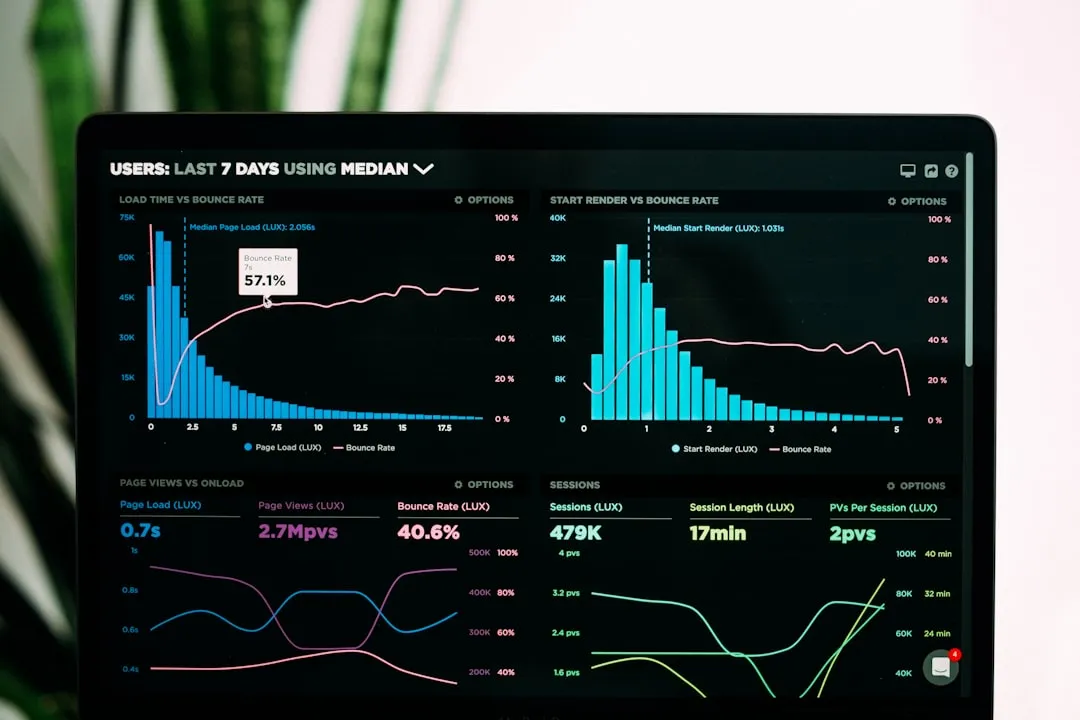
Start here: open Business Reports in Seller Central. Look at sessions and unit session percentage (your conversion rate). One number tells you what broke.
Key takeaways:
- Sessions dropping = a visibility problem (ranking, suppression, PPC budget, or seasonality)
- Conversion rate dropping = a listing problem (price, competition, reviews, or content)
- Increasing PPC spend before diagnosing the cause can make things worse
- Amazon's 2026 algorithm updates rankings faster than ever. A stockout or suppression cascades into rank loss within 24-48 hours.
- Most sales drops are diagnosable and recoverable if you move fast
Did sessions drop or did conversion rate drop?
This is the diagnostic split that narrows the cause immediately.
If sessions dropped but your conversion rate is stable, the problem is upstream. Something changed in how Amazon shows your listing. That could be a keyword ranking drop, a listing suppression, a Buy Box loss, or a PPC budget running out. Customers who find you are still buying. They just cannot find you.
If sessions held steady but conversion rate dropped, the problem is on your listing itself. Something changed that makes buyers less likely to purchase once they land. That could be a price increase, a new competitor with better pricing or reviews, a review rating dip, or a listing content change that broke something.
Both paths have completely different fixes. Running the wrong playbook wastes time and money.
The nine causes of Amazon sales drops
Here are the most common root causes, organized by which data point flags them first.
Session-side causes (visibility problems):
Listing suppression. Check the Manage Inventory page in Seller Central. Suppressed listings show a yellow triangle warning. Suppression happens when required attributes are missing, image dimensions are wrong, or pricing violates Amazon's fair pricing policy. A suppressed listing disappears from search entirely.
Buy Box loss. Check the Buy Box percentage in the Detail Page Sales and Traffic report. If it drops below 90%, another seller won the Buy Box. This can be a third-party seller, a wholesaler selling the same product, or Amazon itself. Without the Buy Box, your ads stop running and organic conversion tanks.
PPC budget exhaustion. Check your campaign dashboard for budget warnings. If campaigns hit their daily budget by noon, your ads go dark for the afternoon, which is the highest-converting window for many categories. Visibility drops, rank signals weaken, and the cycle compounds.
Organic keyword ranking drops. Use Brand Analytics or a rank tracker to check your top 5-10 keywords. If your primary keyword dropped from position 3 to position 15, that is the cause. This usually follows a period of lower conversion rate, a stockout, or a competitor outspending you on ads for that term.
Account health issues. Check the Account Health dashboard. A high order defect rate, late shipment rate, or policy warning can suppress your listings algorithmically before any formal warning appears.
Conversion-side causes (listing problems):
Price change or competitive pricing pressure. Pull the price history for your top ASINs. If you raised price, or if a competitor dropped theirs significantly, your conversion rate will follow. Check the competitive pricing section in the Product Opportunity Explorer for category context.
Review rating degradation. A drop from 4.4 to 4.1 stars can cut conversion by 20-30% in competitive categories. Check for a sudden influx of negative reviews. Look for patterns. If multiple reviews mention the same issue (damaged packaging, missing parts), it is a fulfillment or product problem, not a perception problem.
Competitor quality upgrade. A competitor may have added A+ Content, launched new hero images, or received a surge of reviews that pushed them ahead in the consideration comparison. Check the category's top sellers for changes in the last 30 days.
Inventory and fulfillment issues. If you ran out of stock or had fulfillment problems, Amazon suppresses your listing from Prime-filtered searches. Even after restocking, it takes time to recapture the sales velocity signals that support prior ranking.
Why increasing PPC spend is often the wrong first response
The reflex is understandable. Sales dropped, so you bid more to get more visibility. But if the root cause is listing suppression, your ads will not run at all. If it is a Buy Box loss, your ads will serve but clicks will go to another seller. If it is a review problem, more traffic at a lower conversion rate will increase your ACoS and drain budget without recovering rank.
The only scenario where increasing PPC spend immediately makes sense is when you have confirmed that keyword rankings dropped and there are no other flags. In that case, targeted spend on your core keywords can help recover velocity. Even then, fix the conversion rate first so every dollar goes further.
The agencies that default to "spend more" without diagnosing first are protecting their ACoS metric, not your margin.
How Amazon's 2026 algorithm changes affect sales stability
Amazon's ranking system has become faster and less forgiving. According to Algofy's analysis of the 2026 algorithm update, the system now weights engagement quality (add-to-carts, session length, scroll depth on A+ content) as core ranking signals, not background noise. A two-week stockout or a week of poor conversion does not just hurt sales for those two weeks. It depletes the engagement signals your ranking depends on.
Pittsburgh SEO Services documented that the updated algorithm pushes ranking recalculations to as often as every 15 minutes in some subcategories. The "COGS-Aware Profitability Weighting" layer means products with healthier contribution margins and fewer returns now hold rank advantage even when sales velocity is temporarily equal to a competitor's. That is good news if your unit economics are tight, and a warning if you have been cutting prices to drive volume.
External traffic that converts well on Amazon also now validates product relevance, per Algofy. Brands running DTC or social campaigns that drive Amazon conversions have a ranking buffer that pure-Amazon brands do not.
When a sales drop is actually normal
Not every drop is a problem to fix. Check two things first.
Look at category trends in Brand Analytics. If your category's search volume dropped by 15% and your sales dropped by 12%, you are outperforming the market. The drop is seasonal or macro, not something you broke.
Then compare your share. If your unit market share within a search term held steady or grew, a volume drop is external. If your share fell while category volume stayed flat, something on your end changed.
Common seasonal patterns that look alarming: post-Prime Day correction, post-holiday Q1 reset, and summer slowdowns in seasonal categories. These are normal. Adding inventory or cutting price in response will hurt margin without recovering volume.
When to call your agency (and what to ask)
If you have run through this diagnostic and cannot identify the cause, or if the cause is clear but the recovery is not happening, escalate.
Ask your agency three things: what does the session data show, what is the Buy Box percentage over the last 14 days, and what changed in keyword rank for the top three terms? If they cannot answer all three within an hour using Seller Central data, that is a problem.
A good agency catches most of these issues before they become noticeable sales drops. Listing suppressions, Buy Box losses, and PPC budget gaps should appear in daily monitoring, not in a client's alarmed message. If you are the one discovering a two-week-old suppression, something in your agency's process broke.
At ALFI, every client account runs a daily health check across these signals. Detection window is 24 hours, not a monthly review. We work with a capped set of 18 clients, which means no account manager is juggling 50 brands and missing flags. If your account dropped and your agency is still piecing it together a week later, that is worth a harder conversation. You can start that conversation here.
Why did my Amazon sales suddenly drop?
Open Business Reports and check sessions versus conversion rate. If sessions dropped, something changed in how Amazon shows your listing (suppression, Buy Box loss, keyword rank drop, or PPC budget). If sessions held but conversion dropped, something changed on the listing itself: pricing, reviews, or a competitor move.
How fast can Amazon rankings drop?
Fast. The 2026 algorithm updates some subcategories every 15 minutes, according to Pittsburgh SEO Services. A stockout, listing suppression, or Buy Box loss can cascade into meaningful rank loss within 24-48 hours. Recovery usually takes longer than the drop, which is why fast diagnosis matters.
Should I increase PPC spend when sales drop?
Not as a first response. If the root cause is listing suppression, a Buy Box issue, or a conversion problem, more PPC spend either will not run at all or will run at a higher ACoS without fixing anything. Diagnose first. Spend after you know what you are solving.
How do I know if the sales drop is seasonal?
Use Brand Analytics to check category search volume trends. If the category dropped proportionally to your sales, it is external. If your unit market share within your core search terms also dropped, something changed on your end.
How do I prevent Amazon sales drops?
Monitor daily: listing status (suppression flags), Buy Box percentage, keyword rank for top 5 terms, PPC budget status, inventory levels, and review rating changes. These six signals catch 80-90% of drops before they become significant. Set alerts in Seller Central for critical threshold changes.
What is the most common cause of unexpected Amazon sales drops?
In our experience, the most frequent culprits are PPC budget exhaustion (ads going dark mid-day), unnoticed listing suppressions, and Buy Box losses from third-party sellers or price-based resets. All three are invisible without daily monitoring.
What to do this week
- Open Business Reports. Record your sessions and unit session percentage (conversion rate) for the last 30 days. Note any days with clear breaks in the trend.
- Check Manage Inventory for any suppression warnings on your top-10 ASINs.
- Pull Buy Box percentage from the Detail Page Sales and Traffic report. Flag anything below 90%.
- Check PPC campaign budgets. Look for campaigns hitting daily budget before 2pm.
- Run keyword rank checks on your top 5-10 search terms. Note any position drops in the last 14-30 days.
- Compare your review rating to 30 days ago. Check for new negative review patterns.
- If you find the cause, fix it before adjusting PPC. If you cannot find the cause, ask your agency the three specific questions above and judge the answer.
If your agency cannot diagnose this in 24 hours, or if you keep running this checklist yourself while paying for management, that is a conversation worth having. Talk to ALFI. We start every engagement with a full account diagnostic, and daily monitoring is standard.